Batteries Versus Capacitors
Batteries
Leaching of Chemicals: Many batteries contain toxic chemicals such as lead, cadmium, and nickel, which can leach into the soil and water, contaminating them.
Landfill Waste: Batteries that are not disposed of properly can end up in landfills, where they can release toxic chemicals into the environment.
Air Pollution: The production of batteries can release harmful pollutants into the air, contributing to air pollution and negatively affecting the health of people and wildlife.
Energy Consumption: The production of batteries requires a significant amount of energy, which contributes to greenhouse gas emissions and climate change.
Hazardous Waste: When batteries reach the end of their life, they are considered hazardous waste and must be handled and disposed of carefully to prevent further harm to the environment.
Capacitors
Faster Charge and Discharge: Capacitors can charge and discharge much faster than batteries, making them ideal for applications that require quick bursts of energy.
High Power Density: Capacitors can deliver a high amount of power in a short amount of time, making them ideal for applications that require high power output.
Long Cycle Life: Unlike batteries, capacitors do not have a limited number of charge/discharge cycles. They can be charged and discharged an unlimited number of times without reducing their performance.
No Memory Effect: Batteries can develop a "memory effect" over time, which means that they only hold a charge in certain areas. Capacitors do not have this issue and can hold a charge anywhere on the plate.
Environmentally Friendly: Many batteries contain toxic chemicals that can be harmful to the environment. Capacitors are made of environmentally friendly materials and can be disposed of safely.
Wide Operating Temperature Range: Capacitors can operate in a wide range of temperatures, making them ideal for use in harsh environments.
Cost-Effective: Capacitors are often less expensive than batteries, especially for high power applications.
Overall, using capacitors can improve the performance, reliability, and cost-effectiveness of energy storage systems.
Comparison
| Characteristic | Batteries | Capacitors |
|---|---|---|
| Charge/Discharge Time | Slow | Fast |
| Power Density | Low | High |
| Cycle Life | Limited | Unlimited |
| Memory Effect | Yes | No |
| Environmentally Friendly | No | Yes |
| Operating Temperature Range | Limited | Wide |
| Cost | Expensive for high power | Cost-effective |
Read More
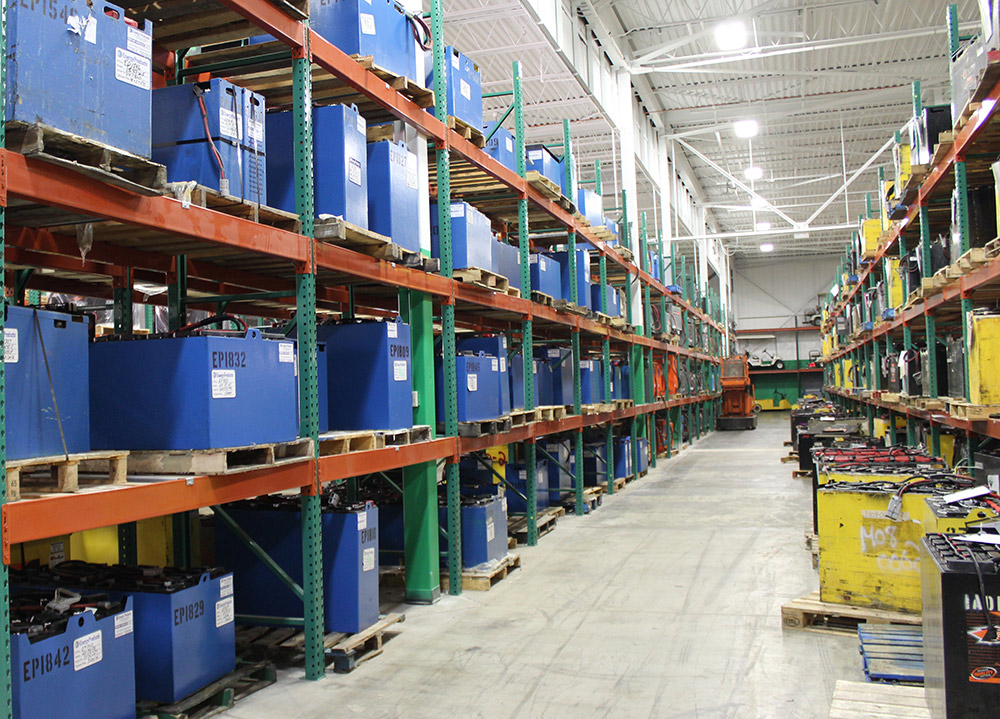
Dangers of Storing Batteries
Currently, Storing Batteries has many dangers. One of the many are battery fires.
Read More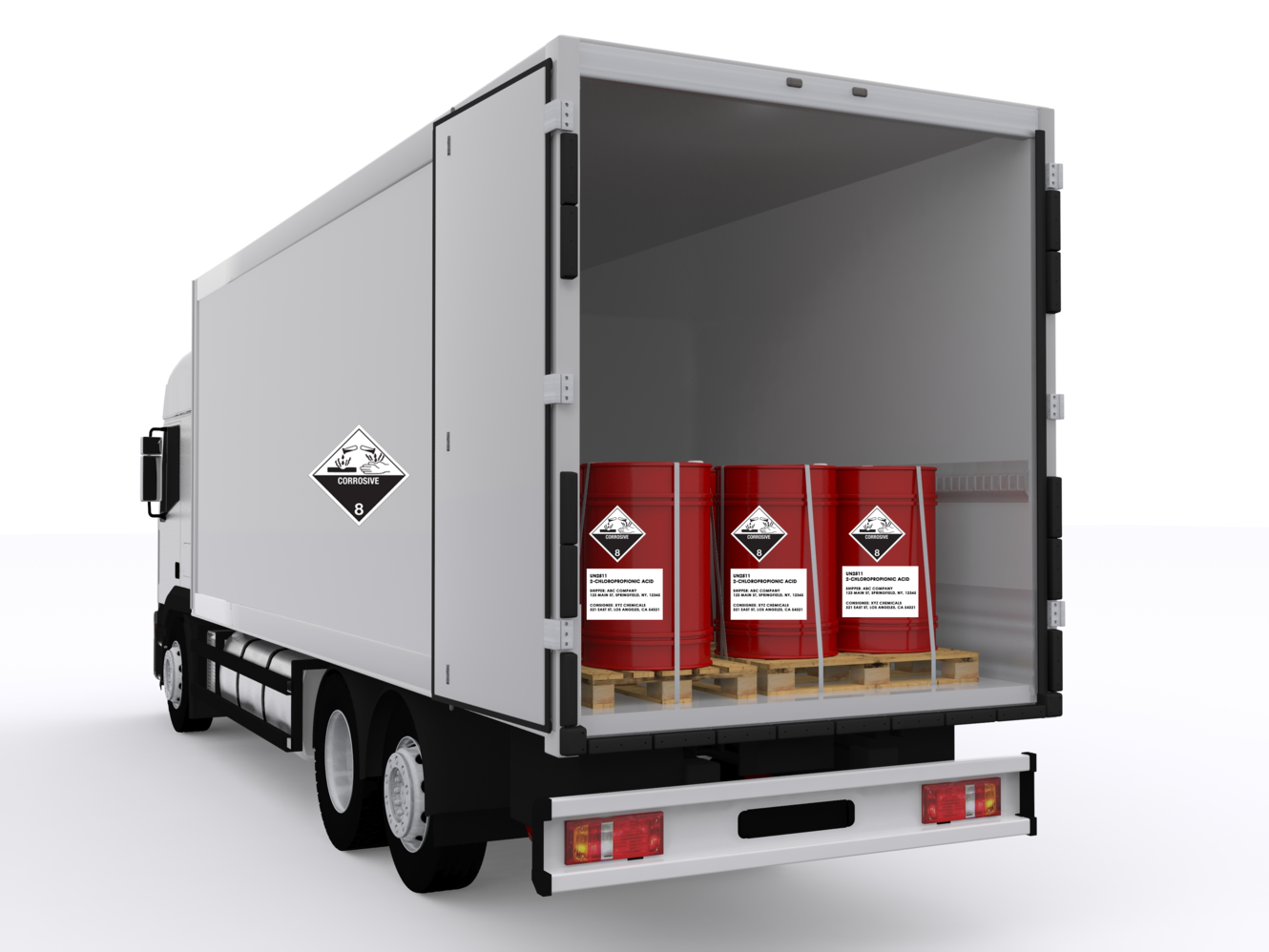
Dangers of Transporting Batteries
Transporting batteries has many issues at the moment. One of which is explosions due to lithium.
Coming SoonBattery Recycling Map
To Use the map, we need permission to use your location.
This way, we can find battery recycling locations near you.
Contact Us
werecyclebatteries@gmail.comSocials


Credits
-

ChatGPT by OpenAI
ChatGPT has helped summarize text on our many of our pages.
-

Adobe Dreamweaver
We have used Adobe Dreamweaver to create this website and took inspiration from their templates.
About Us
We are a group of individuals who are passionate about the environment. We did a survey and found that lots of people not only do not recycle their batteries: They dispose of batteries while there is still charge left in them. We are researching solutions to fix both of these problems and have put up this site to express our thoughts to the world. Thanks for following us here and on social media :)