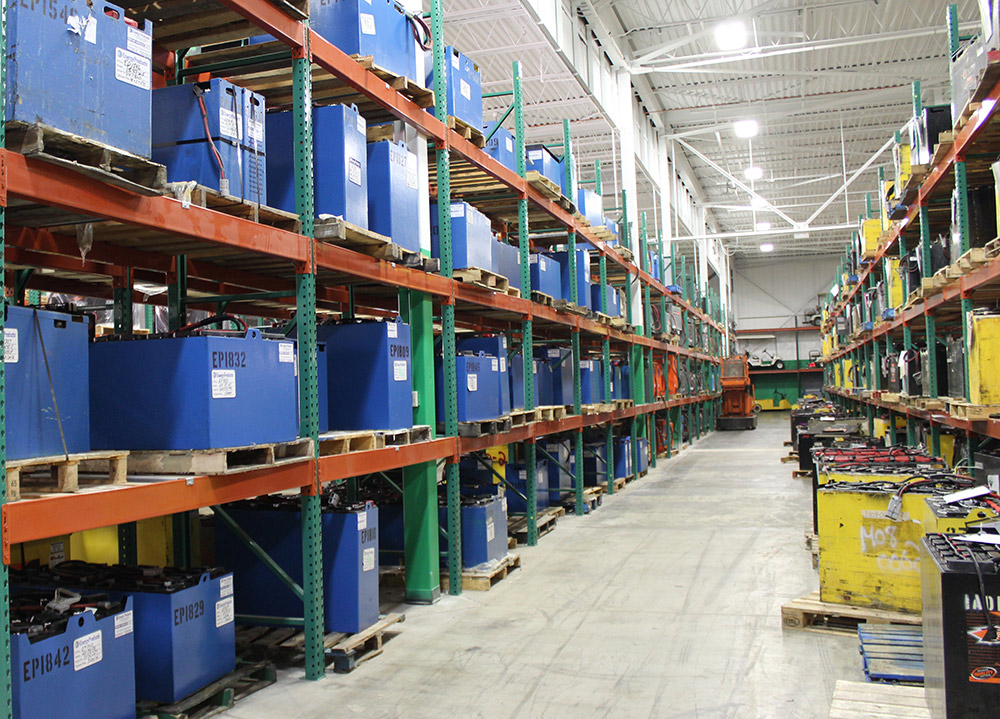
Leakage: Batteries can leak corrosive chemicals that can cause damage to other items stored with them, as well as skin and eye irritation if handled.
Fire Risk: Batteries, especially Lithium-ion batteries, can pose a fire risk if they are damaged or not stored properly. Overcharging, short-circuiting, or puncturing the battery can cause a fire.
Thermal Runaway: When lithium-ion batteries overheat, it can lead to a condition known as thermal runaway, where the temperature of the battery increases rapidly, leading to a fire or explosion.
Explosion Risk: Some batteries, such as lithium metal batteries, can pose an explosion risk if they are damaged or not stored properly.
Environmental Impact: Improper disposal of batteries can lead to the release of toxic chemicals into the environment, which can cause harm to wildlife and ecosystems.
Short-Circuit Risk: If batteries come into contact with metal objects, such as coins, keys, or other batteries, they can short-circuit, which can cause a fire or explosion.
Capacity Loss: Storing batteries for long periods of time can lead to a loss of capacity, reducing their ability to hold a charge and perform their intended function. To minimize capacity loss, it's best to store batteries in a partially charged state, rather than fully charged or fully discharged.
Corrosion: Batteries can corrode over time, especially if they are stored in high humidity environments. This can lead to a loss of performance, leakage, or even a fire or explosion.
Capacity Drain: Some types of batteries, such as nickel-cadmium (NiCad) batteries, can suffer from what is known as "memory effect." This means that if a battery is repeatedly only partially discharged before recharging, it can forget its full capacity, leading to reduced performance over time.
Regulatory Compliance: In some cases, the storage of batteries may be subject to local, state, or national regulations, such as the transport of hazardous materials, disposal of toxic waste, or other environmental laws. It's important to be aware of these regulations and to comply with them to minimize any potential risks associated with the storage of batteries.
Currently, Storing Batteries has many dangers. One of the many are battery fires.
Read More
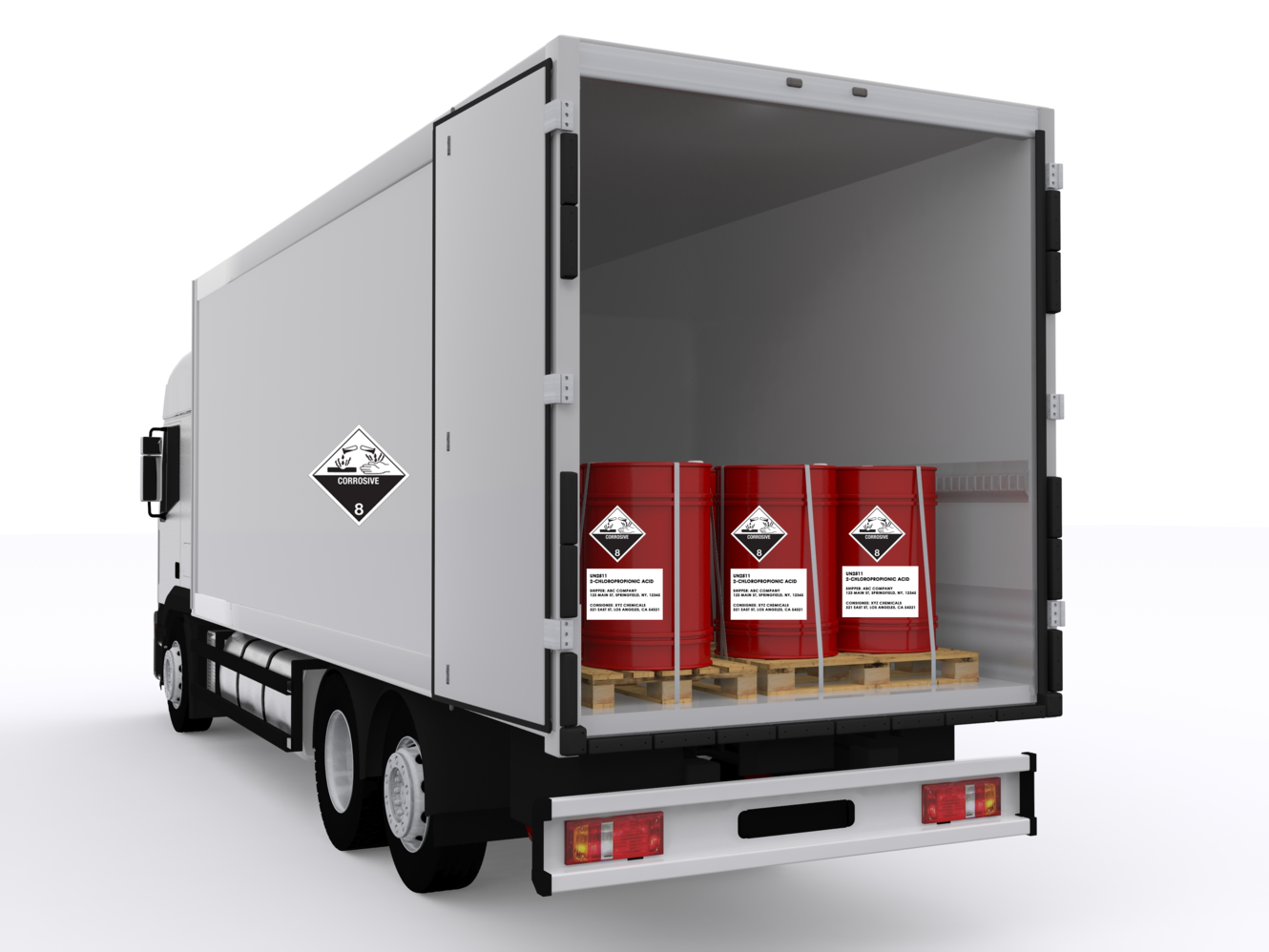
Transporting batteries has many issues at the moment. One of which is explosions due to lithium.
Coming SoonChatGPT has helped summarize text on our many of our pages.
We have used Adobe Dreamweaver to create this website and took inspiration from their templates.
We are a group of individuals who are passionate about the environment. We did a survey and found that lots of people not only do not recycle their batteries: They dispose of batteries while there is still charge left in them. We are researching solutions to fix both of these problems and have put up this site to express our thoughts to the world. Thanks for following us here and on social media :)